Reviewing Floral Knitted Embroidery Vector for Craft Fair Products
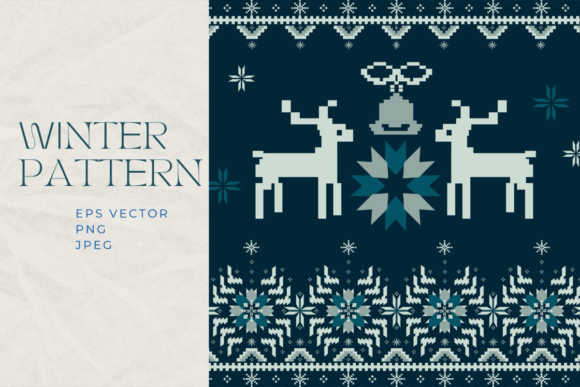
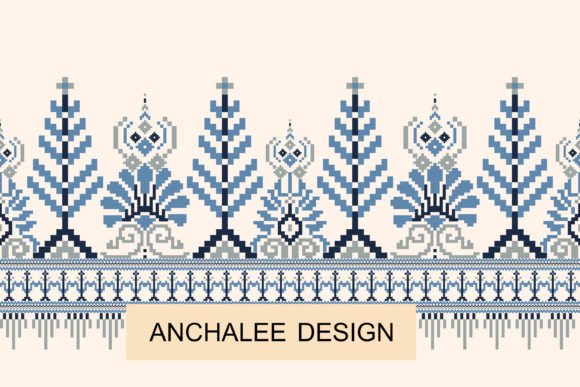
As an embroidery designer preparing for a weekend market, my first task is to assess every new design file, not just for its aesthetic, but for its practical potential on the table. When I opened Floral Knitted Embroidery Vector, my immediate impression was one of structured elegance. This isn't a soft, farmhouse floral. It's a geometric, almost Aztec-inspired pattern that feels both modern and ethnic. The pixel-art, knitted description suggests a texture that’s visually interesting—it promises a design that looks intricate but not overly delicate, bold enough to stand out from a distance in a bustling booth.
Where This Design Stands Out on the Sales Table
The strength of Floral Knitted Embroidery Vector lies in its decorative, abstract nature. It doesn't tell a story or convey a message; it provides pure, premium pattern. On a crowded display, that can be a major advantage. Customers scanning a table of tote bags or aprons will spot this for its visual rhythm and contrast. It feels like a design for someone who appreciates texture and order.
For my upcoming fair, I'm thinking about placement. This vector illustration is destined for products where the pattern itself is the hero. It would be wasted on a small, fussy item where detail gets lost. Instead, I'm evaluating it for:
- Tote bags and market bags: As a large focal print on the front panel, the geometric florals would create a striking, high-value look.
- Pillow covers: This is a perfect application. The repeatable, abstract background nature of the design makes it ideal for home decor, adding a modern ethnic touch.
- Aprons and tea towels: Here, careful testing is needed. The dense, likely intricate stitch areas must be balanced with the fabric texture. A kitchen towel’s looped surface can obscure detail, so a simpler section of the pattern might be best.
- Embroidered patches and caps: This is a riskier application. The Aztec style likely has small geometric elements that may lose clarity at the tiny sizes needed for a patch or on the curved surface of a cap. I would only use a significantly simplified or enlarged portion of the design.
- Fabric pouches and scarf prints: Excellent for texture and decoration, as described. A small pouch with this design could feel like a premium, giftable handmade item.
Practical Production and Selling Considerations
Turning a digital embroidery file into a profitable craft fair product requires a cold, practical eye. Here’s my review of the production realities for Floral Knitted Embroidery Vector.
Batch Production and Visual Consistency
For my small shop, repeatability is key. This pattern, being an abstract graphic, looks inherently repeatable. Batch-producing a dozen pillow covers with this same design would create a cohesive, strong brand statement in my booth. The consistency would signal quality and professionalism. However, the described floral pixel art suggests possible high stitch density. I must test on scrap fabric first to check machine time and thread consumption—a dense design costs more in thread and time, affecting my pricing and volume.
Photography and Online Appeal
Since I also sell on Etsy, how this design photographs is crucial. Geometric patterns with good contrast tend to photograph well for online listings. The white background mentioned in the description indicates the artwork itself has clear space, but the finished product will be on fabric. I'll need to create real mockups—a physical embroidered tote bag or pillow—to shoot. The texture implied by “knitted” and the crisp vectors should translate into photos that highlight the handmade quality, making the digital asset feel tangible.
Customer Engagement at the Booth
At the fair, the product needs to spark a touch. A customer feeling the actual stitches of Floral Knitted Embroidery Vector on a tote bag is a moment of engagement. The pattern’s geometric nature might appeal to a customer looking for something modern yet decorative. It’s not a cute or funny design; it’s a design that elevates the product’s perceived value. On a linen pillow cover, it would look premium. On a canvas tote, it would look artsy and durable. This versatility in perceived value is a selling strength.
Critical Embroidery Designer Notes Before Stitching
Before I commit any thread or fabric, my professional process involves several checks, especially for a design described with terms like “pixel art” and “abstract background.”
- Test on Scrap Fabric: Always. I’ll run the embroidery file on a piece of the exact fabric I plan to use (e.g., canvas for totes, linen for pillows). This reveals the true stitch density, thread coverage, and any potential puckering.
- Check Thread Contrast and Fabric Color: The design’s clarity depends on contrast. On dark fabric, I might need to rethink color palettes or use a light backing. On textured towels or thick fabric, detail loss is a real risk.
- Review Spacing and Hoop Size: I need to confirm the actual dimensions of the vector file. Is it sized for a 5x7 hoop or a larger 8x12? This dictates which products are feasible. A large design demands a large hoop and stable fabric.
- Inspect for Tiny Details: “Floral” and “Aztec style” can mean small, intricate intersections. I must look for these in the file preview and consider simplifying areas if they’ll be too fragile or time-consuming for commercial embroidery.
- Use the Correct Stabilizer: A geometric pattern with likely straight lines and fills requires good stabilizer to prevent distortion, especially on stretchy or textured fabrics like those used for caps.
- Confirm Commercial Licensing: The product category is Patterns and the type is Graphics. I must verify the license terms of this specific digital embroidery file. As a commercial embroidery business, I cannot proceed without clear permission to sell finished products.
The Final Judgment for Craft Fair Readiness
Floral Knitted Embroidery Vector has high potential for my handmade market booth. Its mood is decorative and modern-ethnic, fitting a niche that isn't oversaturated with cute or rustic designs. It will stand out visually. Its best chance to sell, in my experience, is on a larger-scale product where the pattern can be appreciated fully—a tote bag, pillow cover, or apron as a statement piece. It likely requires careful production setup to manage stitch density, but the result should be a high-quality, eye-catching product that customers will notice from across the aisle. My next step is to create that first real mockup, stitch it onto a sample pillow cover, and see it in the sunlight of my booth display. That’s the only way to know if its abstract beauty translates into craft fair success.